Gas is a versatile energy source for your home. From water heaters and stoves to some dryers, many homeowners prefer gas because it:
- Heats quickly
- Responds efficiently to adjustments
- Can be more cost-effective than electricity
Whether you’re adding gas to an existing appliance or setting up a new supply, it’s important to understand your options and the safety considerations before getting started. Here’s what you need to know:
What is a Gas Line?
A gas line is the piping that delivers natural gas or propane from its source to your home appliances. Proper installation is critical because gas is highly flammable, and leaks can be difficult to detect. Certified professionals follow strict safety codes and use the right materials to ensure your system is both safe and efficient.
3 Things to Consider Before Having a Gas Line Installed
Propane or Natural Gas
When deciding on a gas source, you’ll need to weigh the benefits of propane versus natural gas:
- Propane requires a tank and piping to your appliances. Costs include installation and fuel. This is often ideal if your home isn’t connected to a natural gas line.
- Natural gas is supplied by your local utility. Initial connection fees may apply, but natural gas is generally cheaper to use over time. It requires properly sized piping and burner fittings to operate safely and efficiently.
Good to Know 💡
Even though natural gas may have upfront fees, it often saves money in the long run. A professional installation ensures the system works safely and efficiently.
Retrofitting an Existing Gas Supply
Adding a new appliance to an existing gas line may reduce costs, but not every system can handle extra demand. Consider the following:
- The existing piping must have sufficient capacity.
- Extending a gas line improperly can be hazardous.
- A certified technician can locate the main supply, assess capacity, and safely run additional piping.
- Even a short extension can be risky if the system isn’t evaluated and installed correctly.
Good to Know 💡
Upgrading to a tankless water heater or adding a gas range? These appliances often run on higher BTU input than older units, so it’s worth having a plumber confirm your gas line can support them before installation day.
Establishing Your First Gas Supply
For homes without an existing gas supply or for new construction, the setup must start from scratch.
- Propane: Install a propane tank, run piping to your home, and fill the tank with fuel.
- Natural Gas: Open an account with your local utility and have approved piping installed from the provider to your home.
In both cases, professional installation is essential to meet local codes, ensure proper operation, and prevent leaks.
Good to Know 💡
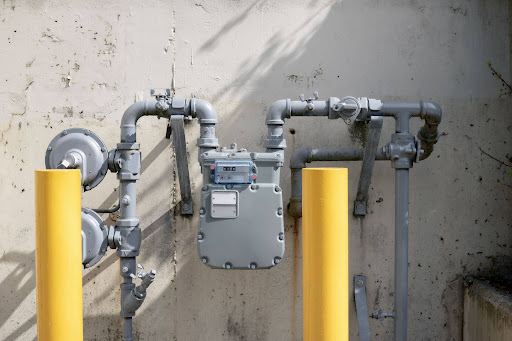
The gas pipe between the meter and the house is the homeowner’s responsibility. Keeping it properly painted helps prevent rust and corrosion that can lead to leaks. Robinson’s Plumbing can inspect and repaint these pipes during installation or as routine maintenance to maximize the life of your system.
Safety Considerations
Gas line installation is regulated for a reason. Leaks can be dangerous, so it’s important to follow safety protocols:
- Only licensed professionals should install or modify gas lines.
- In Virginia, gas piping and appliance installations fall under the Virginia Uniform Statewide Building Code, and a gas permit is required in most localities, including a rough-in inspection before walls are closed and a groundwork inspection for any piping installed below grade.
- In Chesterfield County, for example, a plumbing/gas permit must be obtained from the Department of Building Inspection before work begins, and the completed system must pass inspection. Requirements can vary slightly by locality, so it’s a good idea to confirm specifics with your local building department or ask your plumber to handle the permitting process for you.
- Consider installing carbon monoxide detectors near gas appliances.
- Schedule periodic inspections to ensure the system is in good working condition.
Following these steps protects your home and ensures your gas appliances operate safely and efficiently.
Trust Our Licensed Plumbers for Safe Gas Line Installation
Our licensed technicians provide expert gas line installation, retrofitting, and repair services, plus personalized prevention programs.
We follow all local safety codes and regulations, so your system is safe and reliable. Our services are backed by a “No Surprises” Price Guarantee, giving you confidence and peace of mind. Learn more below or click here for an estimate. Our team is happy to answer any questions you may have.