
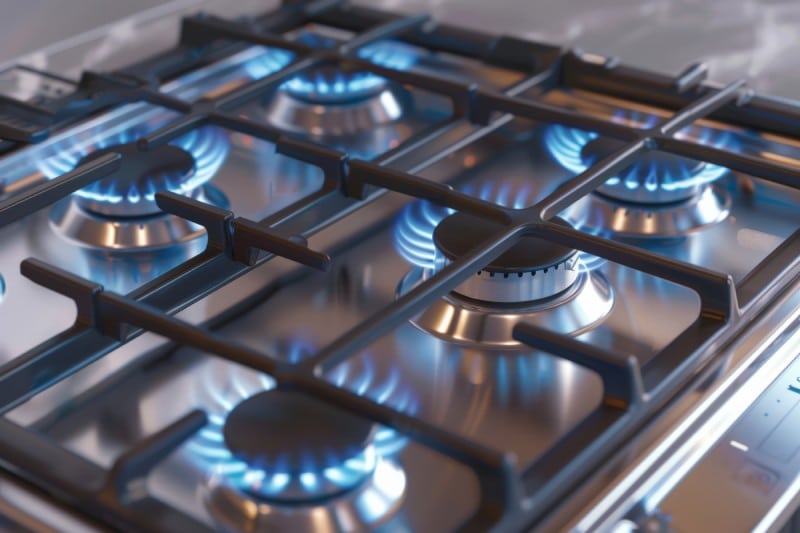
Natural gas and propane offer an efficient way to power home appliances. Stoves, water heaters, ovens, heating units, and certain dryer models can all operate using this abundant energy source.
Many homeowners prefer gas over electricity because it offers energy bill savings, cleaner burning, more localized heat sources, and responsive temperature adjustments.
However, installing the necessary gas lines and hookups requires careful planning and execution to ensure safety and optimal performance.
Read on to learn more about how much it costs to install a gas line in the Greater Richmond Area.
Price Ranges for Gas Line Installation
Running a gas line to connect a new appliance typically costs between $1,200-$1,800, depending on its distance from the main supply. Complex installations could push final pricing past the $2,000 mark.
Obtaining a detailed estimate is important for preparing an accurate initial budget. It gives you a clearer picture of expected costs based on current information. However, remember that the final price may exceed the estimate due to the complexity of the installation or changing material costs.
Benefits of Installing a Gas Line
Installing a gas line provides several benefits for homeowners.
Energy Efficiency: Natural gas appliances use less energy than electric ones do. This reduces environmental impact and can result in lower utility bills.
Precise Temperature Control: Gas stoves heat rapidly, allowing for fine-tuned adjustments while cooking.
Reliable During Power Outages: Appliances powered by gas will still work if the electricity goes out.
Cost Savings Over Time: While the initial installation of a gas line for a stove can be high, the long-term efficiency often leads to financial savings in the future.
Propane vs. Natural Gas: Pros and Cons
Several factors should be considered when deciding between propane and natural gas. For example, rural residents often choose propane when natural gas infrastructure isn’t available locally. By contrast, city residents typically rely on natural gas because of the widespread availability of utility infrastructure.
Propane delivers greater energy density compared to natural gas, enabling enhanced efficiency. On the downside, propane rates tend to be less stable than those for natural gas, which can result in inconsistent heating expenses over time.
On the other hand, natural gas is typically less expensive per unit and provides a continuous supply, eliminating the need for regular tank refills.
Retrofitting an Existing Gas Supply
Adding new appliances to your gas supply can be a cost-effective option. The difficulty and cost of this process depend on the location and size of your existing pipes. Sometimes, your current fuel line may support additional appliances without any changes. A professional can determine if your system needs an upgrade by checking if your pipes can handle more gas flow.
Retrofitting gas lines is not something you should do yourself. It is both dangerous and illegal for non-professionals to attempt. You should always hire a certified contractor for this type of work.
A professional installation protects your home from gas leaks and ensures your appliances work efficiently. It helps avoid future issues with your gas system and allows new appliances to connect properly without risking your safety.
Establishing Your First Gas Supply
Setting up a new gas system involves several steps, such as securing the proper permits, creating a system design, installation of the piping system, scheduling inspections, completing the final connection, and passing the final inspection.
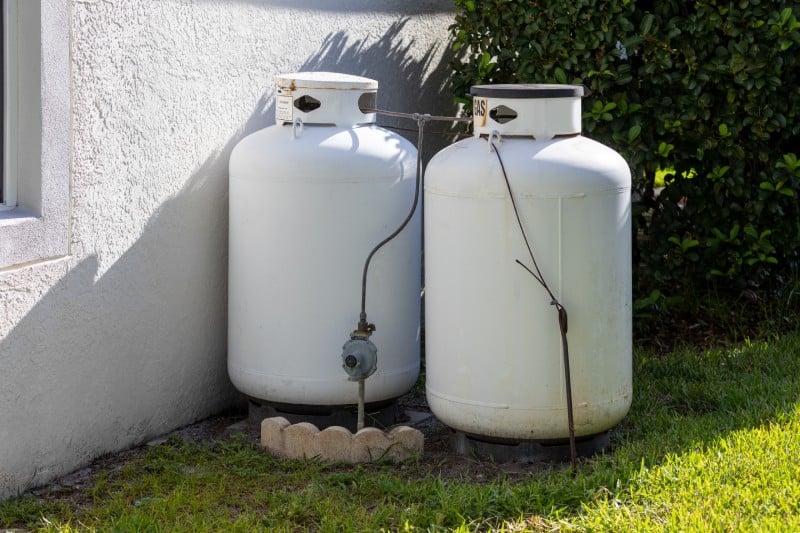
Propane requires installing a tank and connecting the necessary piping to your home. The cost of installing a propane gas line from the tank to the house can vary widely depending on the distance and complexity of the installation.
For natural gas, contact your local provider to establish an account and request a meter. You’ll then need to run a line from your meter to your residence. Once connected, install internal piping to link appliances to the supply.
Factors to Consider When Planning for a Gas Line
When planning for gas line installation, consider factors such as the line length and the need for permits. Longer runs will naturally cost more due to increased material and labor requirements.
Additionally, the cost to install a gas line for a stove or other appliances will vary based on specific needs. Ensuring that all work is performed to code and by a certified expert can help prevent future safety issues and avoid costly repairs.
Professional gas line installation comes at an upfront cost. This investment verifies your system is safe and compliant with regulations. Over time, gas often proves more economical than electricity for many households.
Importance of Proper Gas Line Installation
Gas leaks pose serious dangers and can be hard to identify. That’s why proper gas line installation is so critical. This job demands certified professionals who will adhere to all safety protocols. In Virginia, installers are legally required to be licensed.
When you need assistance with gas line installations, appliance connections, or gas repair issues, call the experts at Robinson’s Plumbing. We pledge to provide secure and dependable gas line services, reinforced by our No Surprises Pricing Guarantee.
Contact Us for All Your Gas Line Needs
Robinson’s Plumbing Service is a full-service plumbing and gas fitting company serving Richmond and the surrounding areas. Whether you’re retrofitting an existing gas line or establishing a new supply, our certified professionals are here to help. Contact us today to schedule a consultation and take the next step towards enhancing your home with gas.