
Winter Energy Saving Tips
Energy is required to power and operate our homes day in and day out. Water and heat are two resources that we depend on to live comfortably. It’s essential to do your part and make changes for energy conservation in the home. Luckily, as plumbing experts, we have extensive knowledge of how to save energy in the winter and what you can do to reduce monthly bills.
Tips on Lowering Your Water Bill
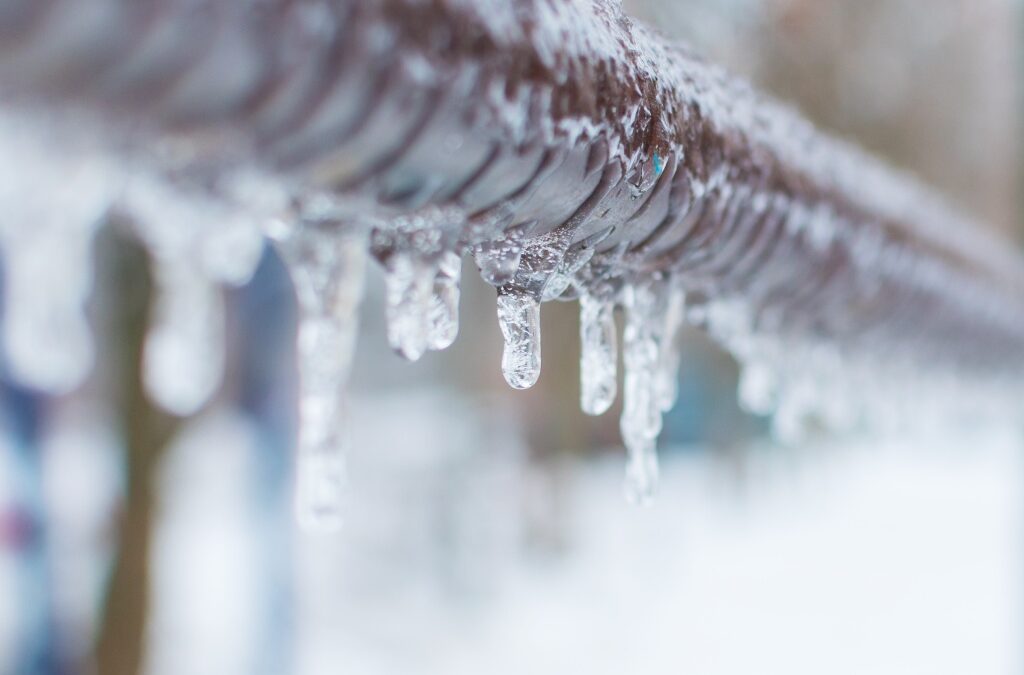
Winterize Plumbing Pipes
Instead of relying on dripping faucets during extreme cold, the better long-term solution is to insulate your pipes. Insulating your pipes is one of the most affordable and effective methods of preventing them from freezing, and our trained experts are here to help protect your pipes from harsh winter weather.
Benefits of wrapping your pipes in the winter:
- Eliminates the slow leak caused by leaving faucets to drip
- Prevent frozen pipes, which can lead to severe damage and costly plumbing repairs
- Retains heat, so hot water stays hotter with less energy usage
Properly preparing your pipes for the winter can help prevent disasters in your home, saving on water, repair costs, damages, and more. Learn more about caring for your pipes this winter.
Install a Low-Flow Showerhead
Long, hot showers feel great in cold weather, but a traditional showerhead can waste water and money. Upgrade to a low-flow showerhead to reduce water usage without sacrificing water pressure or temperature.
Benefits of low-flow showerheads:
- Low-flow models provide the same shower experience with less water, saving you money and helping the environment
- Uses less hot water, which reduces the energy required to heat it
- Reduces CO2 emissions by using less energy
Perform Water Heater Maintenance
Water heaters are consistently ranked the top energy-consuming appliances in our homes, but there are ways to decrease your home’s consumption. Consider scheduling water heater maintenance to ensure proper operation and efficiency.
Tankless water heaters save energy by heating water only when needed, avoiding the constant energy use of traditional tanks. This on-demand system boosts efficiency and reduces utility costs.
How to Save Money on Heating in the Winter
Winter can bring high heating bills, but with a few simple adjustments, you can keep your home warm without overspending. Let’s explore some easy tips to save on heating this winter.
Insulate Windows and Doors
While you’re winterizing pipes, why not do the same to windows and doors? According to the U.S. Department of Energy, inefficient windows and doors cause up to 25-30% of home heating and cooling losses annually.
Insulating your doors and windows is one of the best ways to reduce your heating bill in the winter, and can be done in many ways, including:
- Re-caulk the gaps that form around entry points
- Apply door sweeps to the bottom of exterior doors to block cold air from entering the house
- Use weatherstripping or insulating foam tape around doors and windows to seal gaps and prevent drafts
- Install thick, thermal curtains to help keep heat inside and reduce drafts from windows
Inspect the Fireplace
Fireplaces can be an excellent source of heat when used safely and correctly. However, even if they are equipped with the right parts and seals, when they’re not in use they are another major place for heat loss. When a fire is going you can lower your thermostat, but when it’s not in use it’s important to seal the flue to prevent drafts.
Be Smart With Your Thermostat
Programmable thermostats are one of the easiest ways to save on heating costs. Program day temperatures around 65°-70° and lower it to about 60° overnight, or when the home is vacant for an extended period. Portable heaters offer great temporary relief in cold rooms. If you do use a space heater, make sure to follow all precautions and directions for safe use.
If you’re heading out of town for the holidays, there’s no sense in keeping your heating on in an empty house. Consider lowering your thermostat on your way out the door. However, never turn the heat off completely to help keep the pipes from freezing.
Additional Resources
Interested in learning more about preparing your home for the winter? Explore our blog for professional advice.
10 Tips to Caring for Your Pipes this Winter
Thanksgiving is over and the harsh winter weather is well on its way. If you’ve ever experienced a burst pipe, you know it’s a quick way to ruin your day. With the proper care and attention you can avoid the stresses of freezing pipes this winter.
An Expert’s Guide To Trenchless Sewer Line Repair
Sewer problems aren’t something we usually think about until there’s a messy situation—literally. With each person sending roughly 50–70 gallons of wastewater down the drain daily, sewer pipes eventually need attention.