Sewer problems aren’t something we usually think about until there’s a messy situation—literally. With each person sending roughly 50–70 gallons of wastewater down the drain daily, sewer pipes eventually need attention.
You’ve probably heard about trenchless sewer repair, often praised as a faster, less disruptive alternative. But is it always the best option?
Let’s explore trenchless sewer repair—what it involves, how it works, and why we prefer traditional methods for reliable, lasting solutions.
What’s the Difference Between Trenched and Trenchless Sewer Repair?
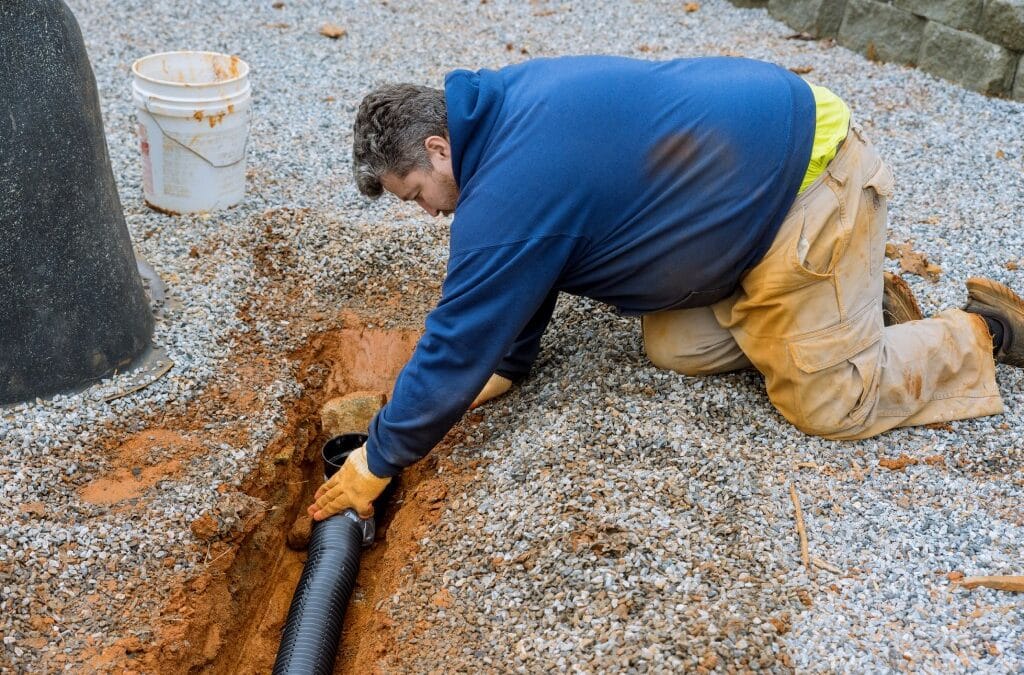
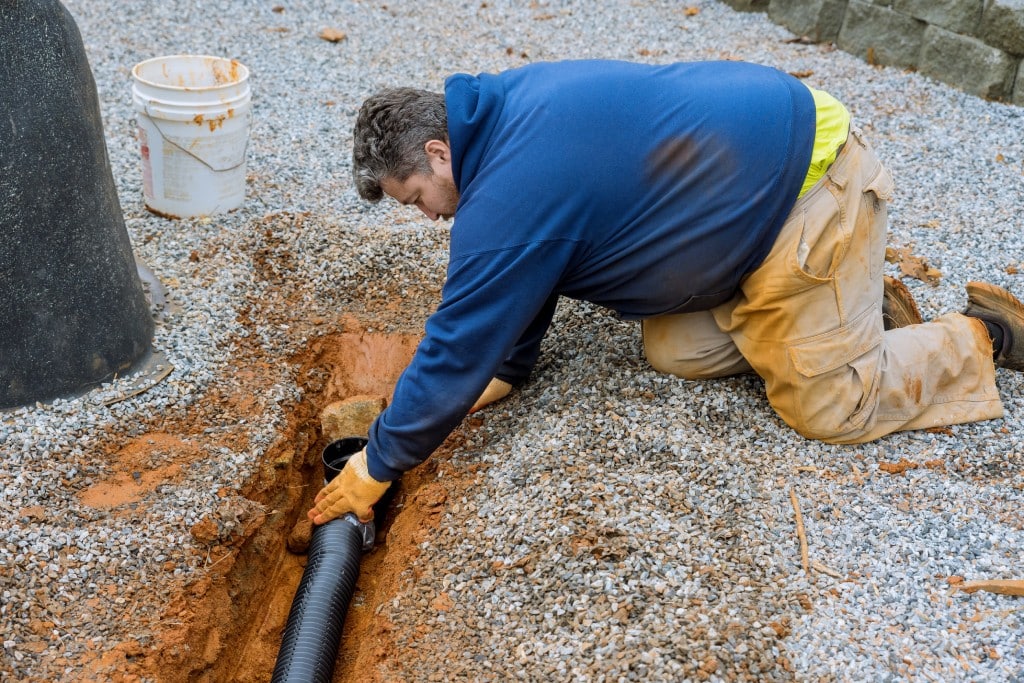
Simply put, trenched sewer repair is the traditional approach—excavating to expose the damaged sewer line fully. While it temporarily disrupts landscaping, it allows us to inspect every inch of your sewer line and repair hidden problems effectively.
Trenchless sewer repair minimizes digging by repairing or replacing sewer lines from inside the existing pipe. It sounds appealing, but there are situations where trenchless methods may fall short.
Types of Trenchless Sewer Repair: How Do They Work?
Pipe Bursting
Pipe bursting involves pulling a new pipe through your existing damaged pipe. A bursting head attached to a cable breaks apart the old pipe and pushes it out, installing the new pipe simultaneously. This method typically requires two small access pits (entry and exit points) but avoids extensive excavation. It’s primarily used for pipe sections at least 15 feet long and may not be effective for pipes that are severely misaligned or have significant grading issues.
Slip Lining
Slip lining inserts a smaller pipe directly into your existing pipe, essentially creating a pipe within a pipe. The space between the old pipe and the new liner is sealed with grout, restoring functionality and extending pipe life. Slip lining typically uses durable HDPE pipe, which has an estimated lifespan of 50–100 years; however, it reduces the inner diameter, potentially affecting water flow.
Cured-in-Place Pipe (CIPP) Lining
CIPP lining involves placing a resin-soaked liner inside your damaged pipe. The liner is expanded against the pipe walls and then cured with heat, steam, or UV light, forming a strong, new interior pipe without removing the old one. While this method may be less expensive in situations where the excavation is complex, the lining is much more expensive than PVC pipe and it involves hazardous chemicals. It also isn’t suitable for pipes that are severely collapsed or fragile, as required cleaning procedures may cause further damage.
Spray Lining and Brush Coating
Spray lining and brush coating involve applying a special epoxy or resin coating directly onto the interior surface of your pipe, sealing small leaks and preventing further corrosion. These methods are limited to pipes ranging from 1.5” to 6” in diameter, ideal for minor repairs but ineffective for larger or heavily damaged sewer lines.
Pros and Cons of Trenchless Sewer Repair Methods
Pros:
- Less disruption: Minimal digging preserves your landscaping, driveways, and sidewalks.
- Faster repairs: Often completed more quickly than traditional excavation methods.
Cons:
- Limited inspection capability: Hidden issues like improper grading or root intrusion can remain unseen and unresolved.
- Durability issues: Some trenchless materials, despite good lifespans, are less robust than traditional PVC.
- Chemical hazards: Methods like CIPP require hazardous chemical resins.
- Not suitable for severe damage: Collapsed, misaligned, or improperly graded pipes typically require traditional repairs anyway.
Why We Don’t Use Trenchless Sewer Repair
With decades of experience, we’ve carefully weighed the factors above and decided traditional repairs align best with our commitment to quality:
- Safety first: We prioritize protecting customers and employees from hazardous materials common in trenchless methods.
- Full visibility and thorough repairs: Traditional methods let us completely expose and fix every underlying issue.
- Durability and reliability: We prefer materials like PVC that ensure a long-term solution without reducing pipe diameter or structural integrity.
- Long-term cost-effectiveness: Although trenchless methods may seem cheaper upfront, they can overlook hidden issues and cost more in the long run if repairs fail prematurely.
Resolve Your Sewer Issue The Right Way
Sewer issues can feel overwhelming, but the right approach can provide lasting peace of mind. At Robinson’s Plumbing Service, our goal is simple: Fix your problem correctly the first time, so you don’t have to worry again.
Have more questions? Feel free to reach out to us at 804-376-5764 or fill out the form here. You can also find more frequently asked questions about sewer line repair on this page.