
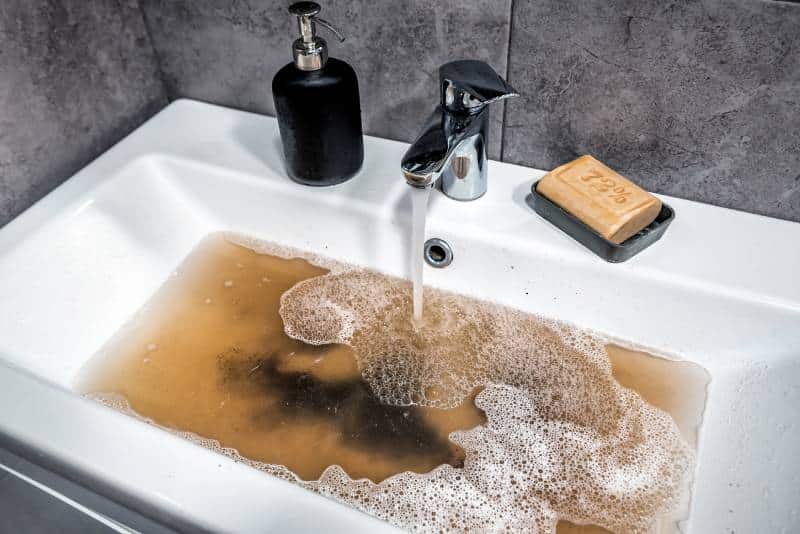
Many homeowners overlook their drain lines until they encounter issues like clogs or slow drainage. While a simple fix like snaking may suffice for minor blockages, certain symptoms could signal a more serious problem – a deteriorating sewer line. Unfortunately, because it’s hidden underground, diagnosing sewer line issues can be challenging.
Taking proactive measures as a responsible homeowner involves staying vigilant about your drains and recognizing when it’s time to consider home sewer line replacement. Addressing issues promptly can prevent clogs or structural failures that might jeopardize your home’s integrity.
But how do you know when to repair or replace a sewer line? What else should you know and look for to determine if you have a problem? Here are 8 of the most common questions we get about residential sewer lines.
- When should I start thinking about residential sewer line replacement?
- How do I know when my sewer line needs to be replaced?
- Can I delay my sewer pipe replacement by cleaning out the pipe myself?
- Is there a way to know if my sewer pipe needs replaced?
- Does homeowners insurance cover sewer line replacement?
- What is a traditional pipe replacement?
- How long does it take to replace a sewer line?
- How much does a sewer line replacement typically cost?
1. When should I start thinking about residential sewer line replacement?
Your home’s sewer line is responsible for draining the wastewater from your property to the city’s sewer system. All of the drains in your home are routed to the same sewer line.
Knowing your home’s age and history of ownership can help gauge the condition of your pipes, particularly if your home has changed hands multiple times.
You should start thinking about sewer line replacement when you’ve noticed an increase in clogs and slow drains. This indicates the need for sewer line repair or replacement.
2. How do I know when my sewer line needs to be replaced?
The average lifespan of a sewer line is based on several factors like the age of the home, the sewer pipe material, the surrounding environment, tree roots, as well as flushing non-flushable items down the toilet.
A sewer line’s working life is largely dependent on the material from which it is made. For example, some of the oldest homes still have sewer lines made from hardened clay (now discontinued) and may last as little as 50 years. Cast iron pipes offer a longer lifespan of 75 to 100 years, while PVC pipes reign supreme with a durability of up to 100 years.
If you have a single sink that is slow or a single toilet that gets clogged, you may not need a sewer replacement. You may need to have those drain lines cleaned. However, if you’ve noticed that every drain in your home is slow that could be an indication. Sewage backup and/or horrible odors may be a stronger sign that it is time for sewer line repair.
3. Can I delay my sewer pipe replacement by cleaning out the pipe myself?
Cleaning out your own sewer line with a drain cleaner or a snake or auger may make your sewer line problems worse.
If your sewer line has partially or completely collapsed, pouring drain cleaner down it will not improve the flow of wastewater. Instead, the caustic chemicals will begin to wear down the pipe lining, resulting in chemicals penetrating the ground beneath the pipe.
If you try to use a commercially available snake or auger that you purchased from your local home improvement store, it may not be long enough to reach the clog. If the clog is caused by heavy root infiltration or collapsed pipe sections, the auger will not be able to clear the sewer line.
Instead of trying to clear the pipe yourself, it is always best to consult with a plumbing expert like the team at Robinson’s Plumbing Service.
4. Is there a way to know if my sewer pipe needs replaced?
A video inspection performed by a plumbing technician can determine if you need a sewer line replacement. Sewer drain camera inspections involve threading a digital camera through your sewer line to view and record the inside of the pipe.
These cameras are capable of detecting the following:
- Cracks
- Holes
- Collapsed pipe sections
- Tree root infiltrations
If your plumber notices any of these issues, they may recommend a sewer pipe cleanout or a pipe replacement, depending on the severity.
5. Does homeowners insurance cover sewer line replacement?
This depends on your homeowner’s insurance policy. Insurance policies typically only cover sudden, unforeseen events that could not have been avoided via regular maintenance.
Clogged, broken, and root-infiltrated sewer lines are not usually regarded as sudden or unforeseen. This is because your insurance company considers it to be a lack of preventative maintenance. However, there may be some insurance policies that allow claims to be filed for sewer line replacements.
Additionally, you can check with your utility company to see if they offer protection plans for certain home items, like water heaters, HVAC systems, and plumbing pipes.
6. What is a traditional pipe replacement?
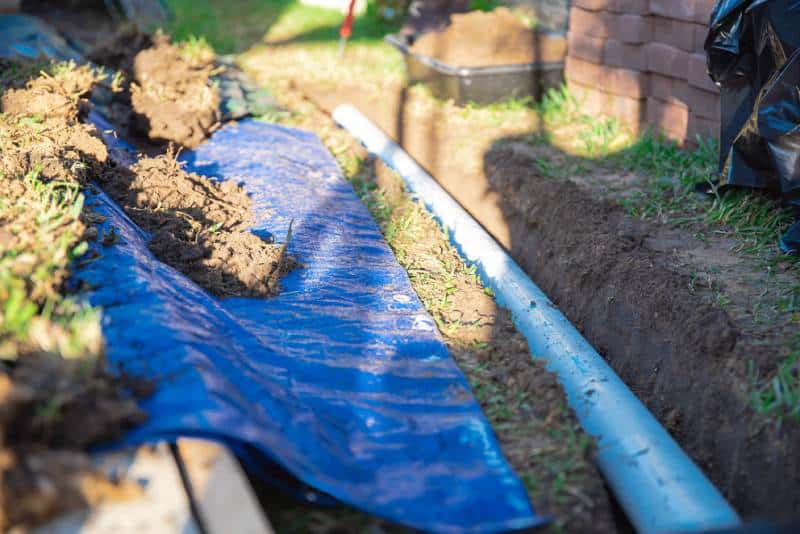
A traditional pipe replacement involves digging a trench along the entire length of the sewer line. If sidewalks, driveways, or other structures are over the sewer line, they must also be excavated. Once the trench has been dug, the old sewer line is removed and a new sewer line is inserted into the trench and connected to the system.
The plumbing company will typically fill in the trench after the work is complete, but the homeowner or business owner is responsible for replacing any sidewalks, driveways, and additional structures.
7. How long does it take to replace a sewer line?
The time it takes to replace a sewer line can vary depending on several factors, including the length of the line, the extent of damage or deterioration, and the method of replacement.
A straightforward sewer line replacement for a single-family home can typically be finished in a day, with the inspection and backfilling being completed after the installation. However, if there are complications such as difficult access, extensive damage, or the need to coordinate with other utility lines, the process could take longer.
It’s best to consult with a professional plumber who can assess your situation and offer a more accurate estimate of the time required for the replacement.
8. How much does a sewer line replacement typically cost?
According to Home Guide, sewer line replacement costs anywhere from $2,000 to $10,000 with the average coming in around $6,000. Costs depend on the materials and labor as well as the complexity of the replacement. Sewer line repair costs vary widely depending on the repair method.
Understanding Common Sewer Line Repair Issues
Maintaining sewer lines is crucial for safeguarding your home’s integrity. While minor issues like clogs can be managed with simple fixes, signs of deteriorating sewer lines require prompt attention. You should monitor your drains and seek a professional assessment if you notice persistent clogs or slow drainage, indicative of potential sewer line issues.
Reaching out to a trusted, local plumbing service provider is a great way to know exactly what type of plumbing repair you are up against and understand your sewer line repair options. You’ll also get a sense of the cost and length of time required to complete the repair.
To learn more about sewer line repair services click below.